
Powerline Agri-Tech Engineering
Hands-on solar, wiring and surveillance work that brought my engineering practice into real installation environments and shaped how I think about reliable systems.
Engineering beyond a screen
Powerline Agri-Tech Engineering grew from practical work in solar power and site systems. I have contributed to installation and technical support in environments where the design has to meet physical equipment, access constraints and the realities of commissioning. The work includes solar and inverter systems, electrical wiring and surveillance infrastructure.
This field experience shapes how I build software and connected hardware. A monitoring interface is only useful if the sensors can be installed and maintained safely; a power design is only useful if its operating conditions are understood at the site. Field work forces attention to cable routes, equipment layout, fault finding and handover, not just specifications on paper.
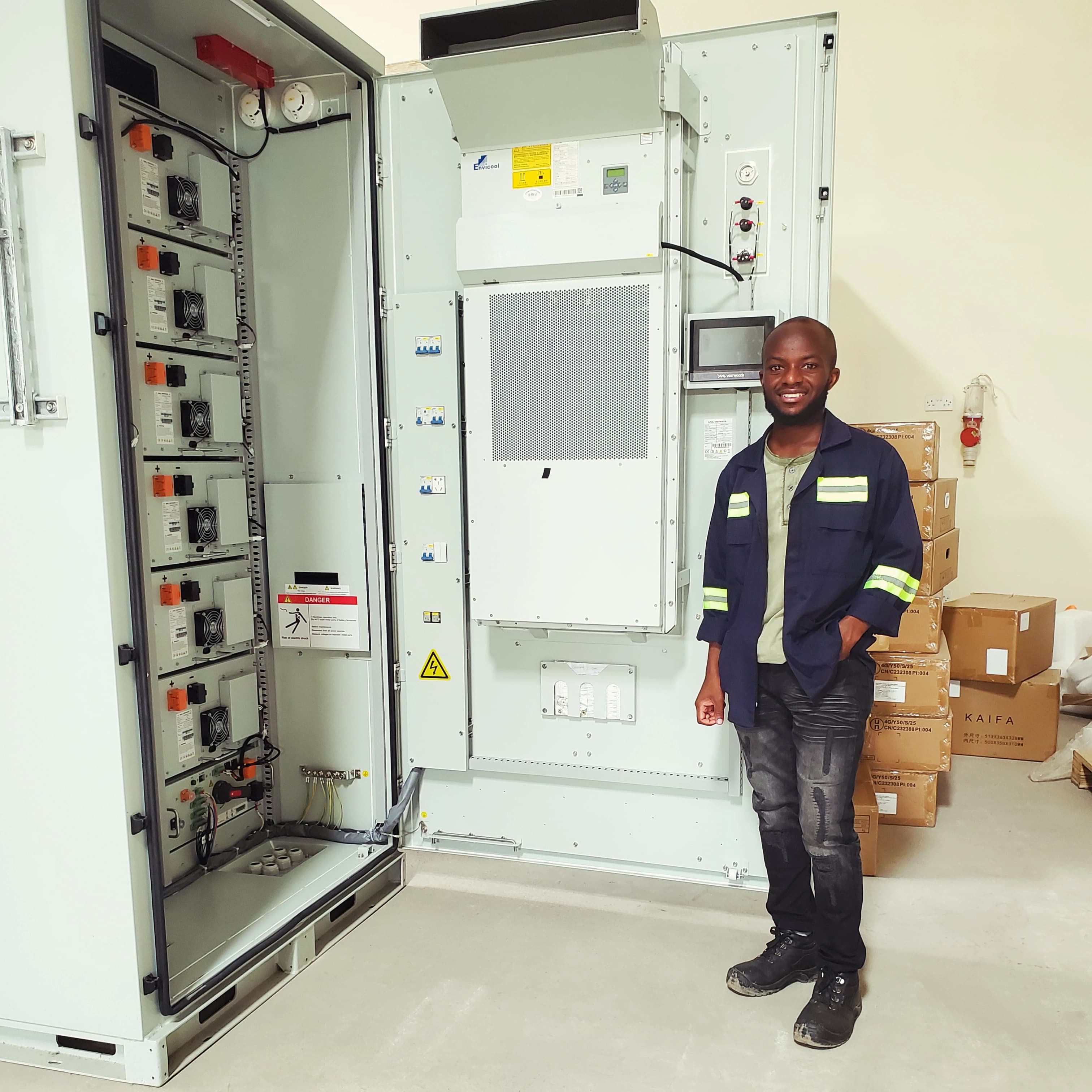
The photograph shows me beside an inverter and battery installation. This page does not claim a certified system rating, measured performance or regulatory approval from that image. Those facts would need the specific project records and commissioning evidence before publication.
My contribution
I have worked on field installation and technical support across solar power, electrical wiring and surveillance, including work around inverter and battery systems.
Why field context matters
Real sites impose constraints that a diagram cannot settle: physical routing, equipment access, commissioning sequence, maintenance and the people who will operate the installation.
Evidence boundary
The photographs document field involvement. They do not certify the capacity, safety approval or performance of any particular installation.